
Awards Night at Marshall University
Don Morris Room
Memorial Student Center
Marshall University
Huntington, WV 25755
The Awards Night festivities begin on Tuesday, April 28th with a dinner at 6:00 p.m. in the Don Morris Room of the Memorial Student Center. The menu choices are Maple Bourbon Pork Loin, Chicken Marsala, or Tortellini with Alfredo Pesto. All will be served with a house salad, whipped potatoes, vegetable medley, and dessert. The cost of the dinner will be $20 per person (payable by check to COVACS only). If you will be attending, please RSVP to Lester8@marshall.edu including your meal choice(s), and put “Chemistry Awards Night” in the subject line. Following dinner, the Awards Ceremony will begin at 7:00 p.m. The evening will conclude with a presentation by Dr. Lauren Waugh from the Marshall University Department of Forensic Chemistry entitled “When Chemistry Outpaced the Law: Early Encounters with Novel Psychoactive Substances.”
Speaker
Dr. Lauren Waugh
Department of Forensic Chemistry
Marshall University
Huntington, WV
When Chemistry Outpaced the Law: Early Encounters with Novel Psychoactive Substances.
Abstract
The emergence of novel psychoactive substances (NPS) in the mid-2000s reflects a rapid shift in how synthetic drugs are developed, marketed, and encountered in forensic casework. Early cathinones such as methcathinone and mephedrone (originally synthesized with therapeutic intent) re-entered the drug landscape as international chemical suppliers and online vendors began exploiting gaps in pharmaceutical literature and drug scheduling. Products marketed as “bath salts” quickly introduced compounds like MDPV and α-PVP into cities across the United States, leading to severe intoxications, unpredictable behavioral effects, and a surge in medicolegal investigations.
Drawing on case series from the West Virginia Office of the Chief Medical Examiner, this presentation highlights toxicology findings, cause of death patterns, and the high-risk behaviors associated with stimulant-induced delirium. These cases illustrate the challenges posed by acute toxicity and the extreme agitation frequently observed with these substances. The talk also reviews the evolving regulatory response, including emergency scheduling actions for some of these substances. Together, these data underscore the need for adaptable analytical strategies and proactive policy approaches as new synthetic drugs continue to emerge.
Short Bio
Dr. Waugh is an Assistant Professor in the Department of Forensic Science at Marshall University. She received her B.S. in Biology with a Chemistry minor from The Pennsylvania State University in 2000. Spending two years as a research technician in the Pharmacology Department at the University of Pittsburgh, she found a love for the field of toxicology. Dr. Waugh is a 2004 graduate of the Marshall University Forensic Science Program and performed her internship in the toxicology laboratory at The West Virginia Office of the Chief Medical Examiner (WV OCME). In 2010, she completed a Ph.D. in Biomedical Sciences with an emphasis in toxicology. Prior to joining the faculty of Marshall University's Forensic Science Graduate Program, she returned to the WV OCME for over three years as a forensic toxicologist.
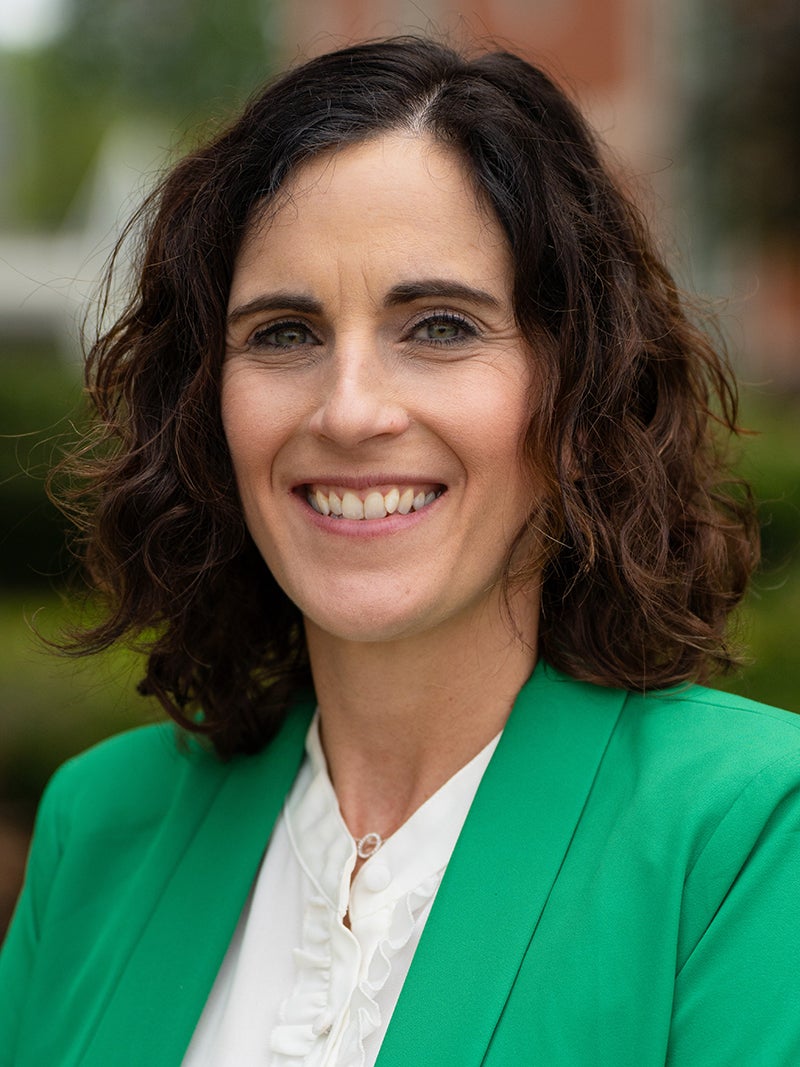
During her time there, she also began lecturing around the country for the United States Drug Enforcement Administration as part of the Office of Diversion Control's Pharmaceutical Overdose Death Investigation Seminar series. She is a member of the American Academy of Forensic Sciences, The Society of Forensic Toxicologists, and The International Association of Forensic Toxicologists. Dr. Waugh has also been appointed as a member of the pharmacology/toxicology subcommittee of the Advisory Committee for the Evaluation of Controlled Substance Analogs (ACECSA). Her research interests include: determination of CB1 receptor binding and agonist activity of synthetic cannabinoid compounds, evaluating buprenorphine metabolism in opiate-addicted mothers and fetal tissue as a predictor of neonatal abstinence syndrome, and determining the possible role of cytochrome P450 genetic polymorphisms in unexpected methadone fatality.